
Categories
Selling Your HomePublished June 2, 2026
What Happens If My Home Goes to Foreclosure? Step-by-Step

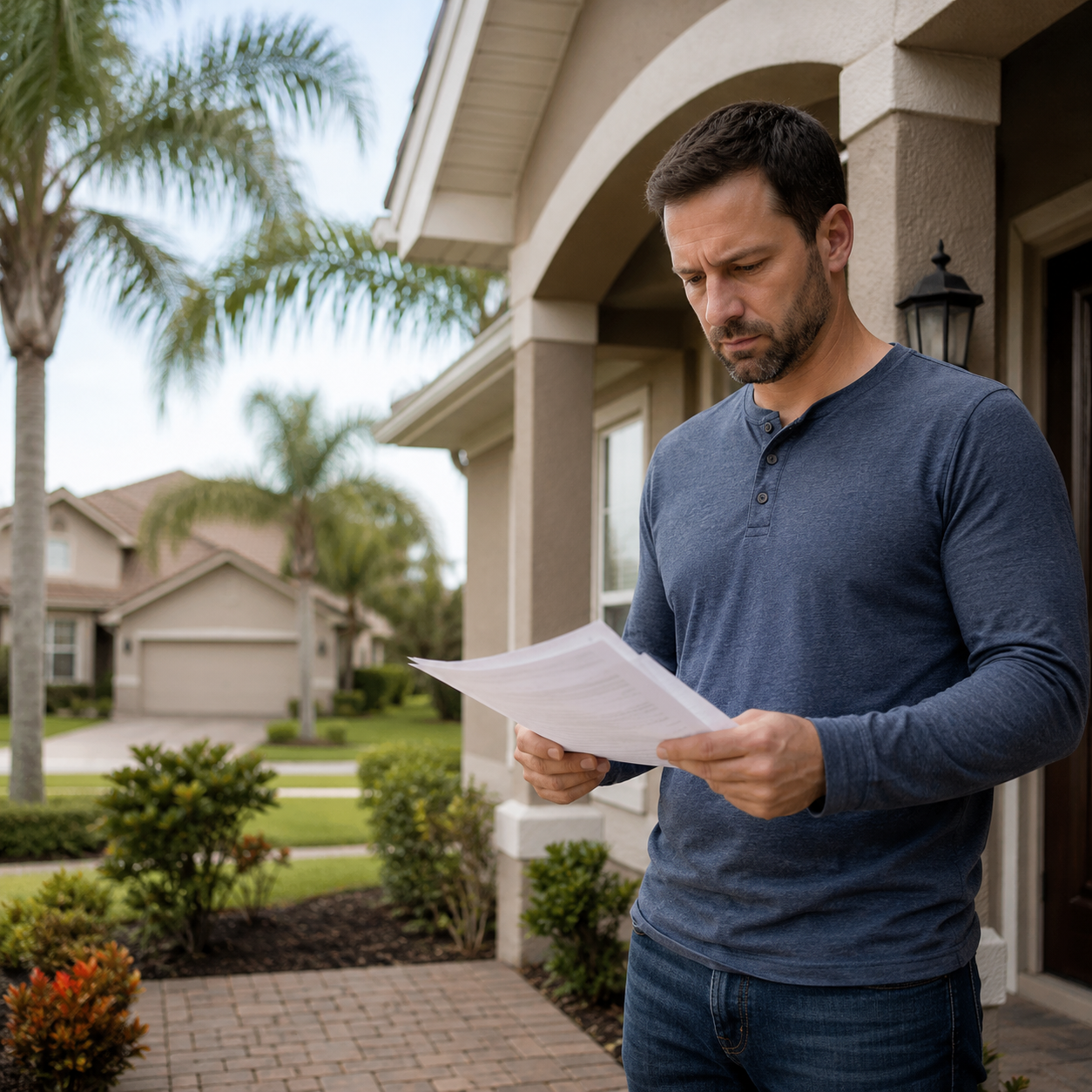
Foreclosure is one of the most stressful words a homeowner can hear.
Most people do not fully understand what it means. They only know it sounds final, scary, and overwhelming.
The truth is, foreclosure is a process, not a single event. And the more you understand that process, the better prepared you are to make smart decisions before your options become limited.
Let’s walk through what actually happens, step by step, so you know exactly where you stand—and where options still exist.
Step 1: Missed Payments Begin
Foreclosure usually starts quietly.
It often begins when:
- Mortgage payments are missed
- Late fees are added
- Collection calls or letters begin
- The lender starts contacting you about the delinquency
At this stage, you may still have several options.
You still have full control. No foreclosure lawsuit has been filed yet. Nothing has been recorded in the public records related to foreclosure.
Many homeowners are already under stress at this point, but this is the best time to act.
Step 2: Default Notices Are Sent
After several missed payments, the lender or loan servicer may begin sending more formal notices.
These may include:
- Breach letters
- Demand letters
- Notice of Default (NOD) notices
- Warnings that foreclosure may be filed if the issue is not resolved
What this means:
- The lender is officially documenting the delinquency
- You’re being warned that foreclosure may be the next step
- You still have time to respond and explore your options
This is often when fear starts to set in—but foreclosure has still not happened yet.
Step 3: Foreclosure Is Filed in Court
If the missed payments remain unresolved, the lender may file a foreclosure lawsuit.
In Florida, foreclosure is generally a court process. That means the lender files a legal case asking the court for permission to foreclose on the property.
Once this happens, there also a lis pendens recorded in the public records. A lis pendens is a public notice that there is a legal action involving the property.
At this point:
- The foreclosure becomes public record
- Investors, mailers, and other companies may start contacting you
- The pressure can feel much more serious
- Deadlines become more important
This is the stage where many homeowners feel embarrassed or overwhelmed, but it is important to understand one thing:
Even at this stage, you may still have options, including selling the home.
Depending on your situation, those options may include bringing the loan current, working with the lender, selling the property, or pursuing a short sale if the home is worth less than what is owed.
Step 4: The Clock Starts Moving Faster
Once foreclosure is filed, timing becomes much more important.
The longer you wait, the fewer options you may have.
This is where proactive decisions matter most. If selling the home is part of the solution, it usually needs to happen with a clear plan and proper coordination.
A short sale may still be possible, but it requires:
- Communication with the lender
- A qualified buyer
- Proper short sale documentation
- Enough time before the foreclosure sale
- Someone who understands how to coordinate the process
If selling may be part of your solution, my guide to the Jacksonville short sale process explains lender approval, required documents, timelines, and how the transaction is coordinated.
Waiting and hoping the problem goes away is usually one of the worst strategies.
The earlier you understand your options, the more control you may be able to keep.
Step 5: Final Judgment and Foreclosure Sale Date
If the foreclosure case continues and the lender obtains a final judgment, the court may schedule the property for foreclosure sale.
This is when the home is set to be sold, usually through a public auction process.
At this stage:
- Time is very limited
- The homeowner’s control is reduced
- It becomes harder to stop the process
- Any solution usually needs to happen quickly
This is the point most homeowners want to avoid reaching.
Once the property is sold through foreclosure, the situation becomes much harder to unwind. Depending on the facts, there may also be other financial or legal consequences to consider.
What Foreclosure Really Costs You
Foreclosure affects more than just the house.
It can impact:
- Your credit
- Your ability to buy another home
- Your ability to rent in the future
- Your family’s stability
- Your emotional stress
- Your financial options moving forward
Many homeowners do not realize that foreclosure may cost them more than selling the home, both financially and emotionally.
That is why it is so important to understand your options before the process gets too far along.
Why Lenders Often Prefer a Short Sale
Lenders generally:
- Lose more money in foreclosure
- Face legal and maintenance costs
- Risk property damage
- Deal with vacant homes
A cooperative short sale can:
- Reduce losses
- Resolve the problem faster
- Be cleaner for everyone involved
That’s why alternatives exist—but only if addressed early enough.
If you are not sure how a short sale works, I explain the process in more detail here: What Is a Short Sale?
The Most Important Thing to Remember
Foreclosure is not sudden, and it is not always inevitable.
The biggest factors are:
- Timing
- Education
- Communication
- Action
The earlier you understand where you are in the process, the more choices you have.
Final Thought
If you are worried about foreclosure, do not panic.
But also do not ignore the notices.
The worst thing you can do is wait until the last moment and hope something changes on its own.
Talk to someone who understands short sales, foreclosure timelines, and distressed property situations. Learn your options while you still have time to make a plan.
If you are behind on your mortgage or worried about foreclosure in Jacksonville or St. Johns County, it is important to understand your options before the process gets too far along.
Not sure whether a short sale is the right option?
Every situation depends on the property value, mortgage balance, liens, and foreclosure timeline. Visit my Jacksonville Short Sale Help Center to request a confidential, no-pressure review of your options.
Prefer to talk directly? Call or text Luis Perez Roman at 904-708-6502.

Luis Perez Roman
| Luis Perez Roman, PA | Momentum Realty
or another way